
Dental Crowns – Denver, CO
Protect Your Damaged Teeth
Tooth enamel is the strongest substance in your entire body, but it isn’t completely indestructible. Teeth can become damaged by decay, injuries, accidents, and more! Fortunately, we offer customized dental crowns in Denver to protect your damaged teeth from additional harm going forward. With our durable, natural-looking restorations, your crown will be both comfortable and fully functional. To find out if this is the right option for you, give us a call to schedule your next visit!
Why Choose Pearl Dentistry for Dental Crowns?
- Natural-Looking Materials
- Custom Dental Laboratory
- Flexible Financing Options
What is a Dental Crown?
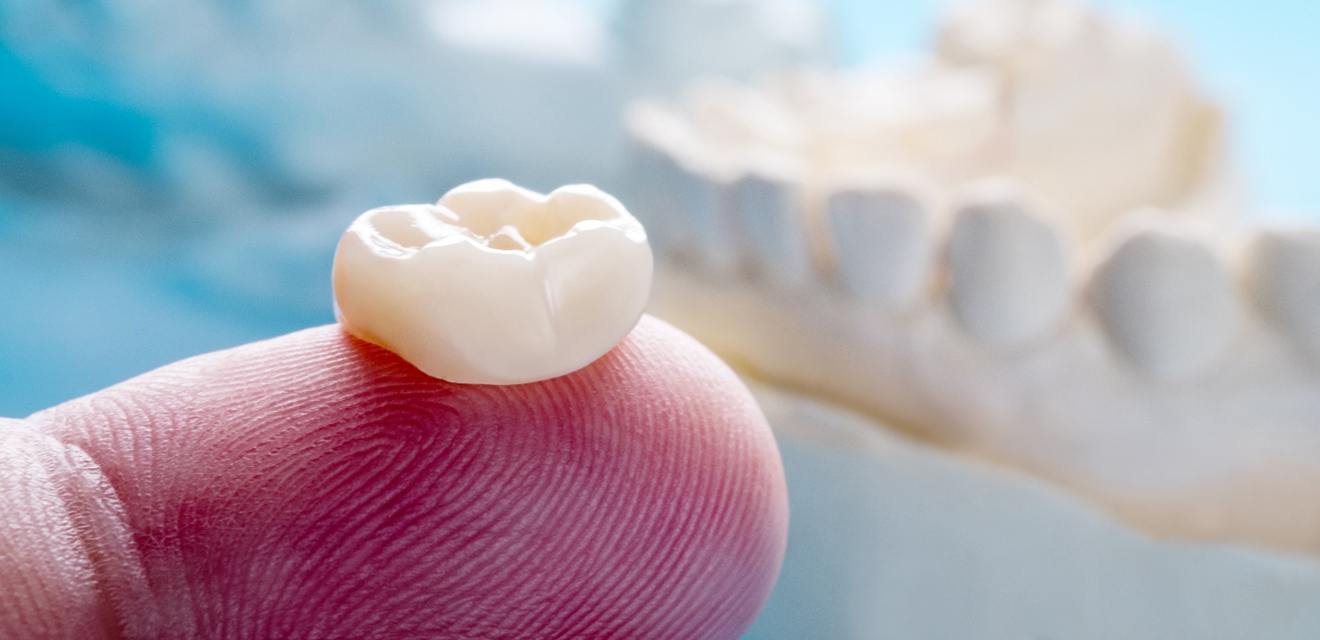
A dental crown is a custom-crafted “cap” that is made to precisely fit over the chewing surface of a damaged or weakened tooth above the gumline. The restoration can be made from a variety of different materials. Dental crowns are generally recommended for patients with the following situations:
- Broken tooth that requires additional support
- Tooth that’s undergone root canal therapy
- Severe decay that’s being repaired with a large filling
- Dental bridge needing support from adjacent teeth
- Severely misshapen or discolored tooth
- Missing tooth being replaced with a dental implant
The Process of Getting a Dental Crown
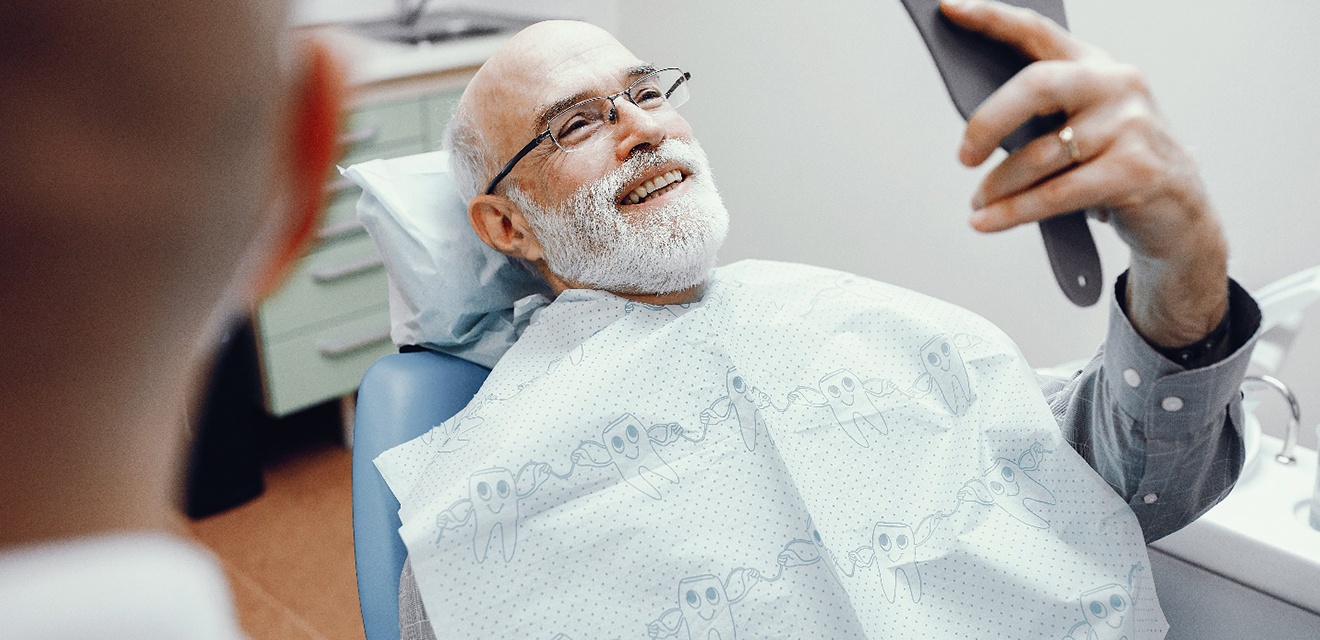
Having a dental crown placed is relatively straightforward. It can usually be completed in just two visits to the dental office. The first step involves examining your smile to ensure that a crown is the best solution for you. Once this is confirmed but your dentist, a thin layer of the enamel needs to be removed. This creates room for the crown to fit comfortably in the mouth and appear natural. An impression is then taken and sent to our custom dental laboratory where your crown will be crafted.
In the meantime, we will provide you with a temporary crown. This will protect your tooth and help you become accustomed to how your new dental crown will feel. As soon as your final restoration is complete, you will come back to the practice where it will be adhered using a special dental cement.
The Benefits of Getting a Dental Crown

Dental crowns provide all sorts of unique benefits. Here are just some of them:
- Feels comfortable
- Appears natural
- Customized for you
- Prevents further damage
- Lasts 15+ years with proper care
- Improved ability to chew
- Increases confidence
Understanding the Cost of Dental Crowns

Before you actually get dental crowns, you’ll need to confirm their price. (You may otherwise commit to a treatment that your budget can’t afford.) Just know that the cost of dental crowns varies, so you’ll need to see us in person to get an exact estimate. Once you’ve done so, our team will strive to make your care affordable, outline your crowns’ pricing factors, and more. Please keep reading for further details, or call us in the coming days.
Factors That Affect the Cost of Dental Crowns

Our dental team will start things off by giving you an oral exam. Through this process, we’ll check (among other things) factors that’ll affect your crown’s price. These include:
- Severity of Harm – A dental crown generally costs more when a tooth is severely damaged. Due to such harm, a patient may require a root canal beforehand.
- Crown Material – The material a dental crown uses also impacts its price. A metal type is often inexpensive, for example, while a ceramic one can be more costly.
- Processing Method – How a dental crown is processed affects its overall price. One that’s milled traditionally won’t cost much, whereas one processed with CEREC technology is pricier.
Note also that “cheap” dental crowns rarely work well. As for why, their low prices stem from their inferior quality, poor materials, bad processing, and so on. It’s better if the patient gets a moderately priced crown instead; the latter offers great results that last many years.
Does Dental Insurance Cover Dental Crowns?

Dental crowns are often medically necessary, so dental insurance typically covers them. The average policy will even cover up to half a crown’s cost. This coverage assumes you’ve prepared in advance and met your deductible, though.
With all that said, exceptions exist to the rules above. Some dental policies only offer limited crown coverage, don’t cover crowns at all, etc. You should thus confirm your plan’s benefits beforehand; our team will gladly help you do so if necessary.
Options for Making Dental Crowns Affordable

Dental crowns can be affordable without dental insurance, all things considered. You just need to rely on our practice’s amazing payment options! Given the right one, your treatment will be budget-friendly.
The most notable option is our Cherry financing program. Through this method, patients can work with Cherry – a reputable 3rd party lender – to pay for crowns in manageable monthly installments. (These smaller payments have little to no interest, so they don’t become unwieldy with time.) It’d thus ensure that you don’t have to pay for everything in a lump sum.
Today’s dental crowns are excellent, but that doesn’t mean treatment must “break the bank.” Visit our office soon and let us make your restorations affordable.
Dental Crown FAQs

Are Dental Crowns Permanent?
Dental crowns aren’t technically permanent, but they are a long-term solution. In fact, dental crowns can protect teeth from anywhere from five to ten years! When your dentist reshapes your tooth for a dental crown, this procedure is irreversible, as tooth enamel isn’t able to grow back after it has been lost. Because of this, the tooth will always need to have a crown to protect it going forward. That being said, dental crowns protect the underlying tooth from additional damage, so they can help the tooth to survive for much longer than it would have otherwise. To keep your dental crown healthy, maintain regular cleanings and checkups, keep up with your daily dental hygiene, and wear a mouthguard when participating in sports.
Do Dental Crowns Get Cavities?
Technically, it is impossible for a dental crown itself to develop cavities, but the tooth underneath it still can. In fact, a tooth with a dental crown still has the same risk of decay as an uncrowned tooth. This is because poor oral hygiene makes it possible for bacteria and plaque to form around the gumline where the tooth meets the dental crown. They can then travel beneath the crown and wreak havoc on the underlying tooth. To prevent cavities in crowned teeth, be sure to maintain an excellent oral hygiene routine and continue attending regular cleanings and checkups.
Does It Hurt to Get a Dental Crown?
Just like when you get a dental filling, your dentist will numb the affected tooth before you get a dental crown. After your dental crown has been placed, your tooth may feel sensitive for a few days – especially if you’ve also had a root canal. Over-the-counter pain relievers are usually enough to relieve the discomfort, but if it worsens, don’t hesitate to give us a call so we can help.
Do Dental Crowns Feel Natural?
After a few days of getting a dental crown, it should start to feel increasingly natural. Crowns are able to stand up to everyday chewing forces just as easily as your natural tooth enamel, so eating shouldn’t feel much different. The reason that your dentist reshaped your tooth was to ensure that the crown would fit comfortably in your mouth. Additionally – every crown is customized based on impressions of your teeth. Ultimately, your dental crown shouldn’t feel uncomfortable or noticeable. You may even forget that it’s not your natural tooth enamel!